You arranged the pickup, you signed the papers, and you watched the tow truck drive down the street with your old car on the back of it. But what happens to it then? Most people never know. They just cash the cheque and move on. Here’s the real deal, step-by-step, from driveway to recycled metal.
Step 1: Evaluate & Sort
First of all, the car is checked out to see where the real value is. A car wrecker looks at three things: what parts can be sold as used spares, how much usable metal is in the body and drivetrain, and whether any fluids or hazardous materials need special handling before the dismantling starts.
This assessment determines the entire way the car is processed. If they get a relatively late-model vehicle with a straight body and a working engine, it might get stripped for parts first and crushed later. If a car has been in a major accident or has serious rust damage, it may go straight to the dismantling or car recycling process, as there’s no point in removing parts that won’t sell.
Step 2: Paperwork and De-registration
The administration is handled during the evaluation of the car. In Victoria, the appropriate registration and disposal paperwork needs to be completed when a vehicle is surrendered to a licensed car wrecker or recycler. This helps ensure the vehicle is no longer associated with you and reduces the risk of future fines, tolls or liability issues associated with a car you no longer own — which is precisely why you should only deal with a licensed operator rather than an unregistered backyard buyer.
You will also need some form of ID and the registration papers for the vehicle, if applicable. A good wrecker will take care of the relevant paperwork for you as part of the pickup — you should not be left to figure this out yourself after the fact.
Step 3: Drain Fluids and Remove Hazardous Materials
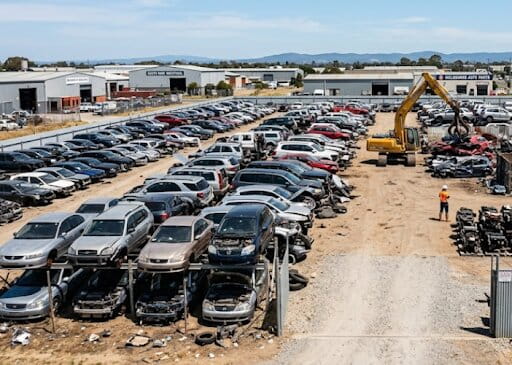
First comes the depollution of the car, followed by cutting or crushing. Proper end-of-life vehicle processing requires hazardous fluids and materials to be handled appropriately, which is an area where responsible recyclers differ from backyard operators.
The fluids removed may include:
- Motor oil and transmission fluid
- Coolant
- Brake and power steering fluid
- Remaining fuel in the tank
- Air-conditioning refrigerant
- Battery acid (the battery is removed and recycled separately)
At this stage, airbags and other pyrotechnic parts are handled appropriately, either through safe deployment or removal and disposal procedures. The catalytic converter is dealt with separately because of the presence of precious metals such as platinum, palladium and rhodium.
These materials require appropriate handling and disposal pathways, with suitable facilities using containment and processing systems to prevent them from entering the environment or inappropriate waste streams.
Step 4: Disassemble It and Use the Parts
Once the fluids and hazardous materials are taken care of, the actual dismantling begins. Car Wreckers methodically strip the vehicle, removing parts that still have resale value in the used auto parts market:
- Engine and transmission, if in working order
- Doors, bonnet and boot panels
- Alternators, starter motors and other electrical parts
- Suspension parts, tyres and wheels
- Interior parts such as seats and infotainment units
- Glass, where possible
These parts are tested, catalogued and sold to mechanics, panel beaters and do-it-yourself buyers seeking cheaper alternatives to brand-new parts.
This is, in fact, where a large part of the value can be recouped from the car — a well-stripped vehicle can bring much more in parts sales than in scrap metal weight alone.
Step 5: Shred and Grind
After extracting all the valuable and reusable components, the remaining vehicle — basically the bare shell — can be crushed to make it smaller for transport. It may then go to a shredding facility, where industrial shredders break the shell into small pieces of scrap.
This is where ferrous and non-ferrous metals are separated. Powerful magnets remove the ferrous metals, mainly steel and iron, while the non-ferrous fraction — aluminium, copper and other metals — is sorted using eddy-current separators and other technology.
The leftover material after the metals are removed is known as shredder residue, a mixture that can contain plastic, foam, rubber and glass. It may undergo further processing to recover as much recyclable material as possible.
Step 6: Where the Metal Actually Goes
The steel and aluminium are separated and sold to smelters and refiners in Australia and overseas, where they can be melted down and turned into raw materials for new products — anything from construction steel to new vehicle panels.
This is the bit most people never think about. The metal in your old Commodore or Corolla could eventually find itself in a new car, a shipping container or structural steel in a building.
Why This Matters to You?
Grasping this process clarifies a few important things when you’re deciding who to sell your car to.
Why Do Buyers Pay Different Prices?
A wrecker who can resell your engine and panels as used parts can normally pay more than one who is only valuing the car for its scrap weight. That’s why a car that’s been in an accident but is mechanically sound will often sell for more than a rusted-out vehicle with a blown engine, even if they look similar from the outside.
Why Licensing Is Important
Unlicensed operators may skip proper depollution and disposal procedures in an effort to save time and money. This can create environmental and legal problems. It also means they may not complete the required paperwork correctly, potentially leaving you exposed to future issues.
Why ‘Cash for Cars’ Isn’t Just a Catchphrase
A genuine car removal service should have a genuine recycling and processing pathway — which involves stripping, depolluting and recovering materials in accordance with applicable Victorian requirements.
The end-of-life vehicle industry recovers a significant proportion of the materials from vehicles for reuse or recycling, which is a far better outcome than an unwanted vehicle simply sitting on a nature strip and rusting away.
Looking to Know Your Car’s Value?
Got an old, damaged or unwanted car taking up space in Melbourne’s western suburbs? We buy cars in any condition — running or not, registered or not. We take care of the paperwork, deregistration and collection, so you have nothing to sort out.
Cash For Cars Service will give you a free, no-obligation quote today and can even pick up your car as early as tomorrow.